
Podcast | ‘Ophelia’ Episode Recap
In this podcast episode, co-hosts Jonathan C. Legat, Tricia Legat, and Michael Noens discuss the 2019 perspective shift Shakespeare drama ‘Ophelia’ from director Claire McCarthy.

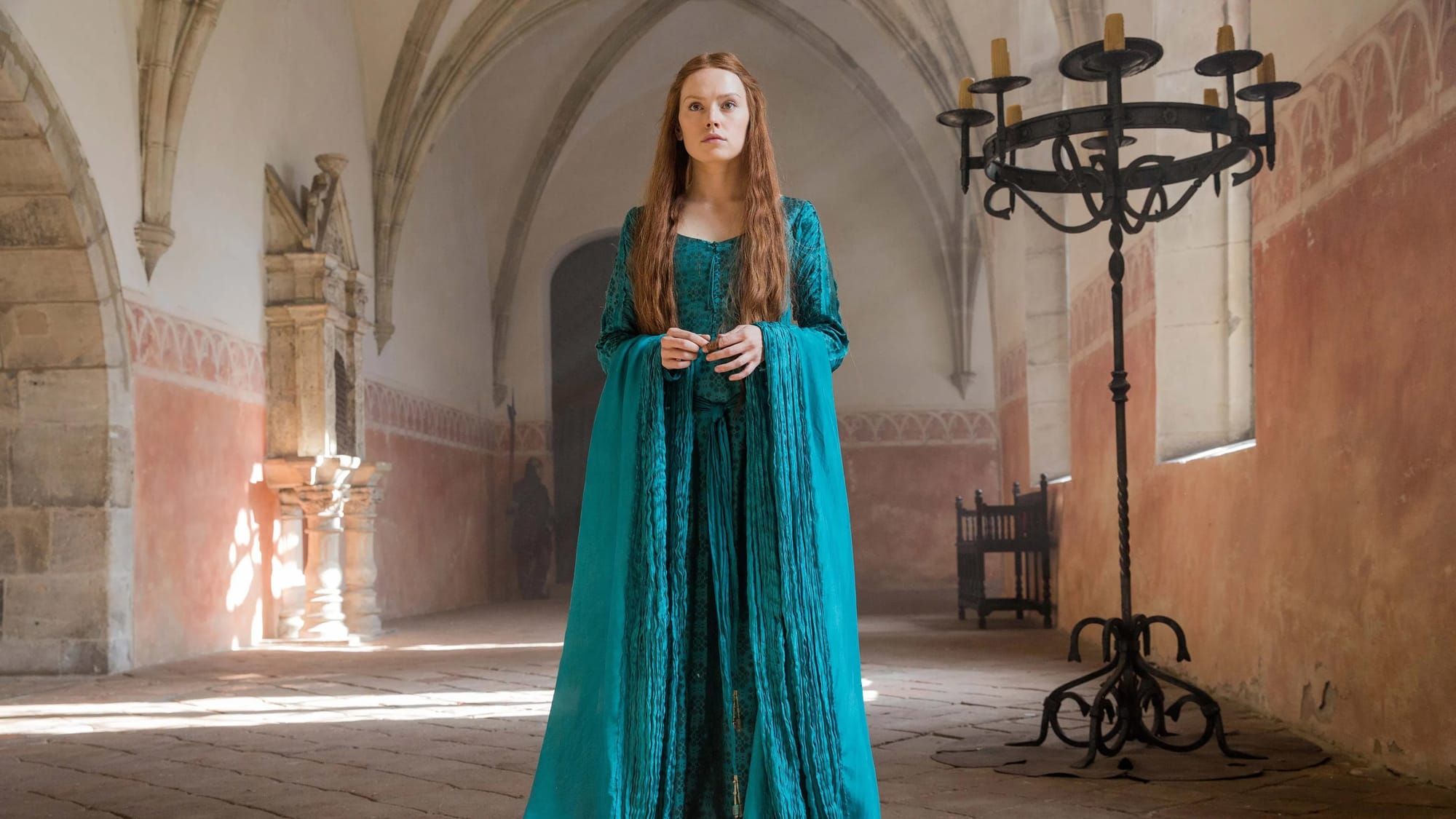
The Imbibe Cinema podcast hosts Jonathan C. Legat, Michael Noens, and Tricia Legat dive into the independent film Ophelia while sampling a potent cocktail called The Drowning Ophelia. The discussion centered on director Claire McCarthy's adaptation of the classic Hamlet story, praising it as a rich, cinematic experience that succeeds by putting Ophelia at the center and reframing the original text as a myth.
The film, based on the novel by Lisa Klein, opens with Ophelia asserting, "You think you know my story, but you don't actually know my story." By shifting the focus, Hamlet becomes a supporting role, which the hosts argued allows for a deeper exploration of the story's complexities and character motivations, all of which are driven by love or a twisted version of it.
The podcast highlighted several elements of the film's production that made it a compelling watch:
- Direction and Cinematography: Director Claire McCarthy (a Directors to Watch award winner) and cinematographer Denson Baker, working on their fifth project together, are credited with telling the story visually. Stunning shots are used symbolically, such as the pillars of the court, where Ophelia's position outside them signifies her role as an outsider. A particularly memorable shot involves the screen flipping upside down when Ophelia drowns, creating a beautiful "mirror-like" visual.
- Score and Costumes: Stephen Price's score (known for Gravity and Baby Driver) is a standout, featuring a haunting, whispered, and sung rendition of Hamlet's love letter quote, "doubt that the stars are fire, doubt the sun doth move, doubt truth to be a liar, but never doubt I love." Costume designer Massimo Cantini Parrini subtly used color to isolate Ophelia; in a ball scene, she was muted while nearly everyone else wore gold, drawing the viewer's eye to her.
Daisy Ridley's performance as Ophelia is praised for portraying a character who is both strong and vulnerable. In supporting roles, Naomi Watts gives a riveting performance in two roles as Queen Gertrude and Mechtild. George MacKay's Hamlet is noted for being 27, a casting choice that breaks the pattern where previous major film Hamlets (like Laurence Olivier, 41, or Mel Gibson, 34) were closer to middle-aged men.
The hosts dedicated a significant portion of the discussion to the film's use of symbolism and its intentional differences from the source material:
- Madness as a Secret Code: Rather than genuine insanity, the film portrays the apparent madness of both Ophelia and Hamlet as a secret code they use to communicate sensitive information, such as Ophelia revealing that Claudius murdered Hamlet's father. Ophelia even fakes madness in front of Claudius and Gertrude to escape, hinting in code to Horatio to "dig me up" later.
- The Burden of Knowledge: The film repeatedly uses the theme of knowledge as a source of danger. This is symbolized by a reference to the sin of knowledge in the Adam and Eve story and a black snake crossing Ophelia's path after she witnesses the King's murderer.
- Flower Symbolism: Ophelia's famous flower speech takes on new meaning, specifically the mention of Rue. While Rue symbolizes regret, it was also used in that time to induce miscarriages, leading Tricia to interpret the scene as a strong hint that Ophelia is pregnant.
- Horatio's New Role: Horatio is developed beyond being just "with the band," becoming a loyal, brave, and fully developed true friend to both Ophelia and Hamlet.
The film deviates from Shakespeare's play when Queen Gertrude slays Claudius. She then drinks poison. This key change leaves Hamlet as the last person standing, resulting in the Norwegians (the "CSI people") arriving and concluding that Hamlet was the man of action, thus cementing the "myth" of the Shakespeare play.
In conclusion, Ophelia is presented as a beautifully shot, well-written film that serves as an homage to Shakespeare by challenging the accepted narrative and providing a richer point of view.
Episode Beverage Pairing
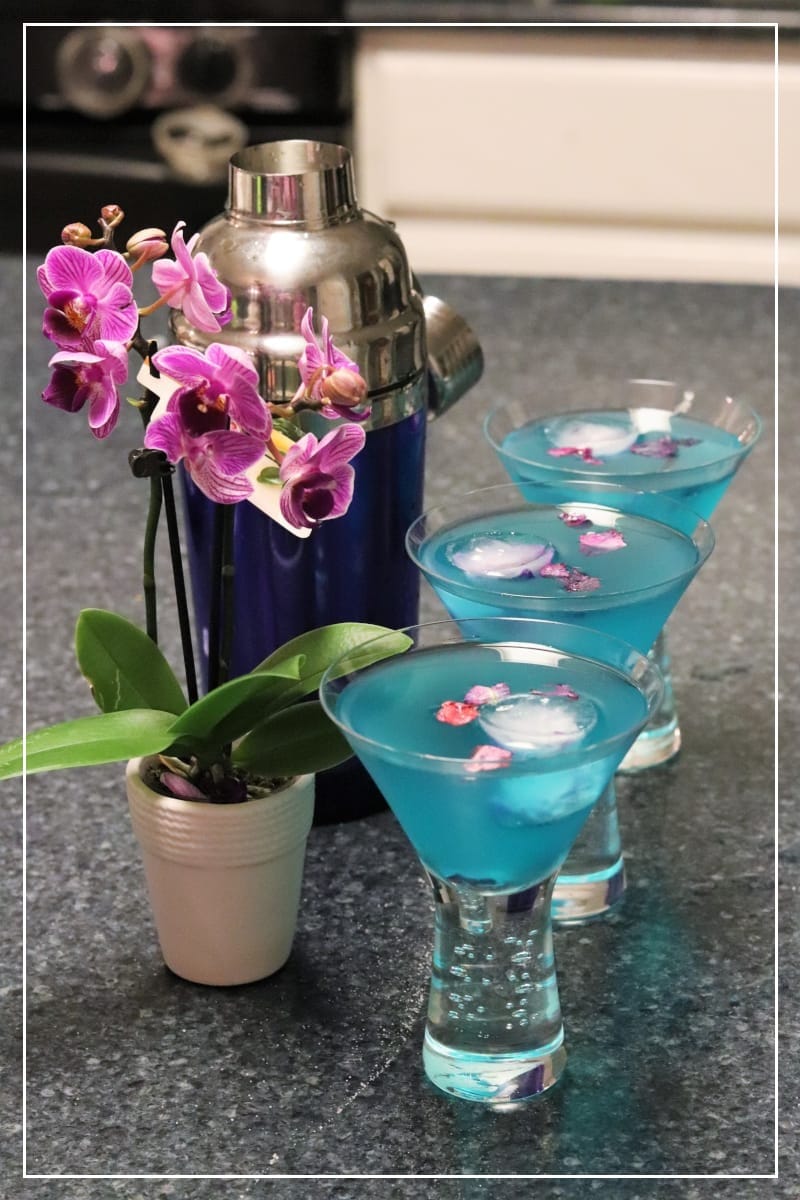
Ingredients
- 1 ounce vodka
- ¼ ounce blue curaçao
- ¾ ounce germain elderflower liqueur
- ½ lemon (juice squeezed)
Served in individual glasses with an ice cube, light dusting of sugar, and edible flowers for garnish.