
Podcast | ‘Lucky Number Slevin’ Episode Recap
In this podcast episode, co-hosts Jonathan C. Legat, Tricia Legat, and Michael Noens discuss the 2006 cinematic Kansas City shuffle ‘Lucky Number Slevin’ from director Paul McGuigan.

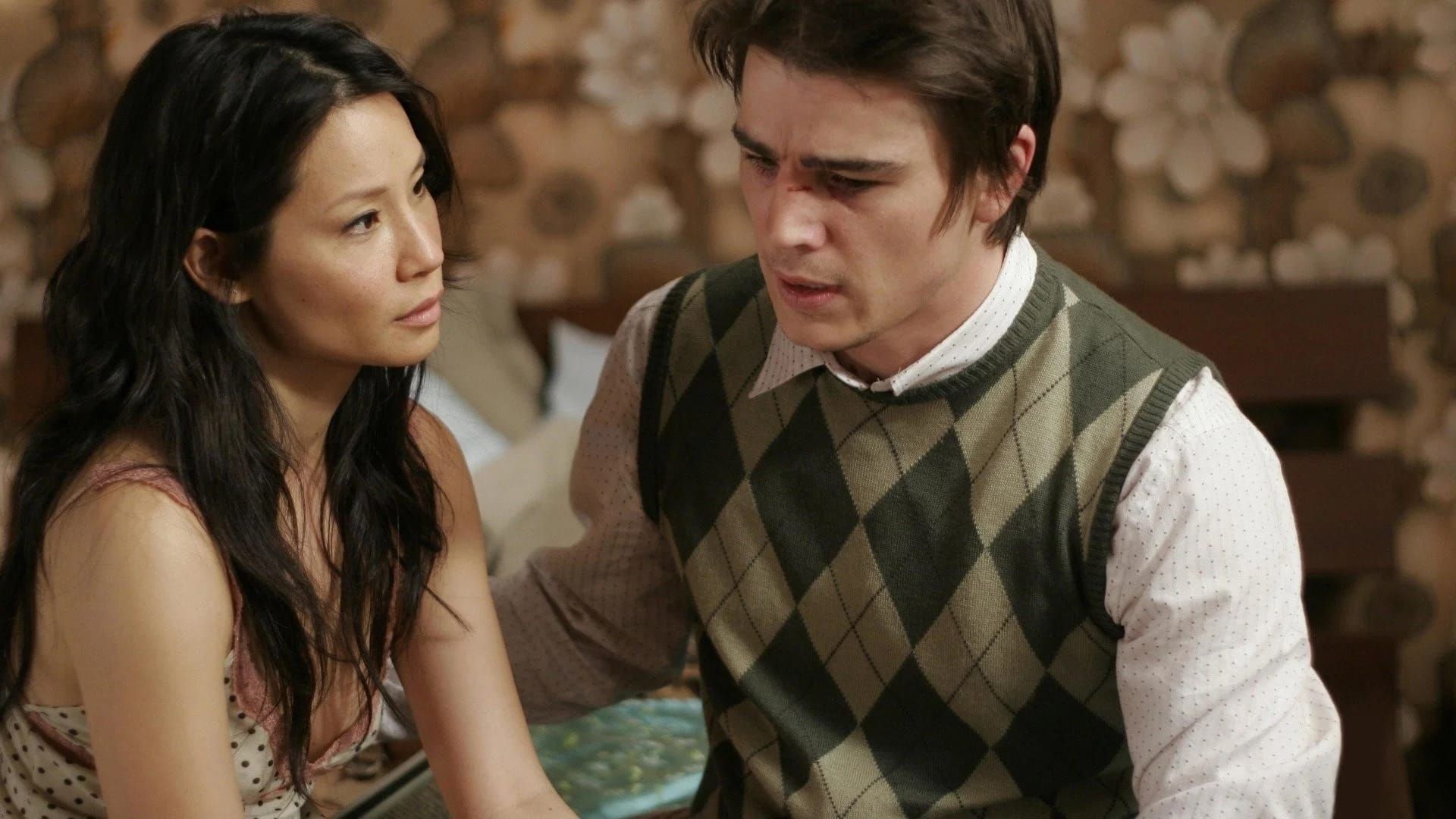
The hosts of the Imbibe Cinema podcast — Jonathan C. Legat, Tricia Legat, and Michael Noens — dive into a discussion of the 2006 crime thriller Lucky Number Slevin, calling it a solid story from start to finish. The Blue Whiskey Independent Film Festival sponsored show explored the film's complex plot, stellar cast, and neo-noir filmmaking style while imbibing the Kansas City Shuffle cocktail.
The hosts immediately recognized the film's central trick, encapsulated by the cocktail they were drinking. The Kansas City Shuffle cocktail appears sweet but is surprisingly bitter with mescal and ginger — a metaphor for the movie's misdirection where "you look right and it goes left." Jonathan found the film's twists and turns even more enjoyable on a second viewing for the chance to spot all the breadcrumbs laid out by the filmmakers.
Tricia explained that the plot uses a unique shuffle to shift the audience's perspective. Viewers initially believe they are tracking Slevin's (Josh Hartnett) story, but they are actually following Lindsay (Lucy Liu) because all the key plot information is revealed through him sharing it with her. This narrative setup is praised for being well-executed and avoiding cheap tricks.
The film’s ensemble cast, described as "Oscar-winning," was a major highlight.
The hosts found Bruce Willis's performance quiet different, praising its unsettling nature. His character is cold yet maintains a sense of warmth in his storytelling, and his timing is perfect. Tricia noted his opening monologue is beautiful, and Michael observed that his performance worked because, as a villain, he legitimately believes his course of action is righteous.
Lucy Liu’s role as Lindsay, a coroner, was a favorite, specifically because the character was rewritten after Liu was cast to utilize her unique energy. Tricia called it an "amazing fucking role" that Liu knocks out of the park. Women rarely get such complex, layered, and quirky leading roles in neo-noir, which often relegates them to one-dimensional femme fatales.
The podcast hosts spent considerable time praising the film's production elements:
- Writing and Tone: As a neo-noir film, Lucky Number Slevin is dark and violent, yet its tongue-in-cheek humor and silliness prevent it from feeling overly grim. Tricia, a fan of film noir, particularly loved the dialogue, which she said was so effective that she actually noticed the writing — a rarity in film.
- The New York Sets: The production design blends 1970s elements with art deco style, which is prominent in film noir. The hosts noted that the black-and-white patterns in Lindsay's apartment and the penthouses of the Boss and the Rabbi could easily pass for 1940s settings if viewed in black and white.
- Visual Style: The director's visual approach was highlighted, drawing parallels to his work on episodes of Sherlock (specifically "Study in Pink" and "Hounds of Baskerville"). His out-of-the-box visual thinking, such as the innovative way text messages were displayed on screen in Sherlock, is evident in the film.
The hosts shared their favorite plot-twist movies, highlighting that films with great twists — like an onion with many layers — are more enjoyable with repeated viewings. Tricia believes great twist films use creative foreshadowing and symbolism.
Jonathan's favorite plot-twist film is The Sixth Sense and Tricia's favorite is The Others. Other great twist films mentioned include The Usual Suspects, Inception, What Lies Beneath, and three films by David Fincher: Fight Club, The Game, and Gone Girl.
The hosts defended the film against several negative reviews in a segment they call "Poking the Bear":
- A critique from Film Journal International that called the movie "like the guy you knew in high school who seemed cool and interesting until he opened his mouth" was met with a joke about the writer needing therapy for high school rejection.
- In response to New York Magazine's claim that the film "shrinks your perception of what movies can do," Tricia asserted that the film is smart, encourages its viewers to think, and is a great homage and contribution to Noir.
- A final quote from Metromix.com comparing the movie to an ignorable party "hipster" was dismissed by Jonathan because the film "has no man bun."
Episode Beverage Pairing
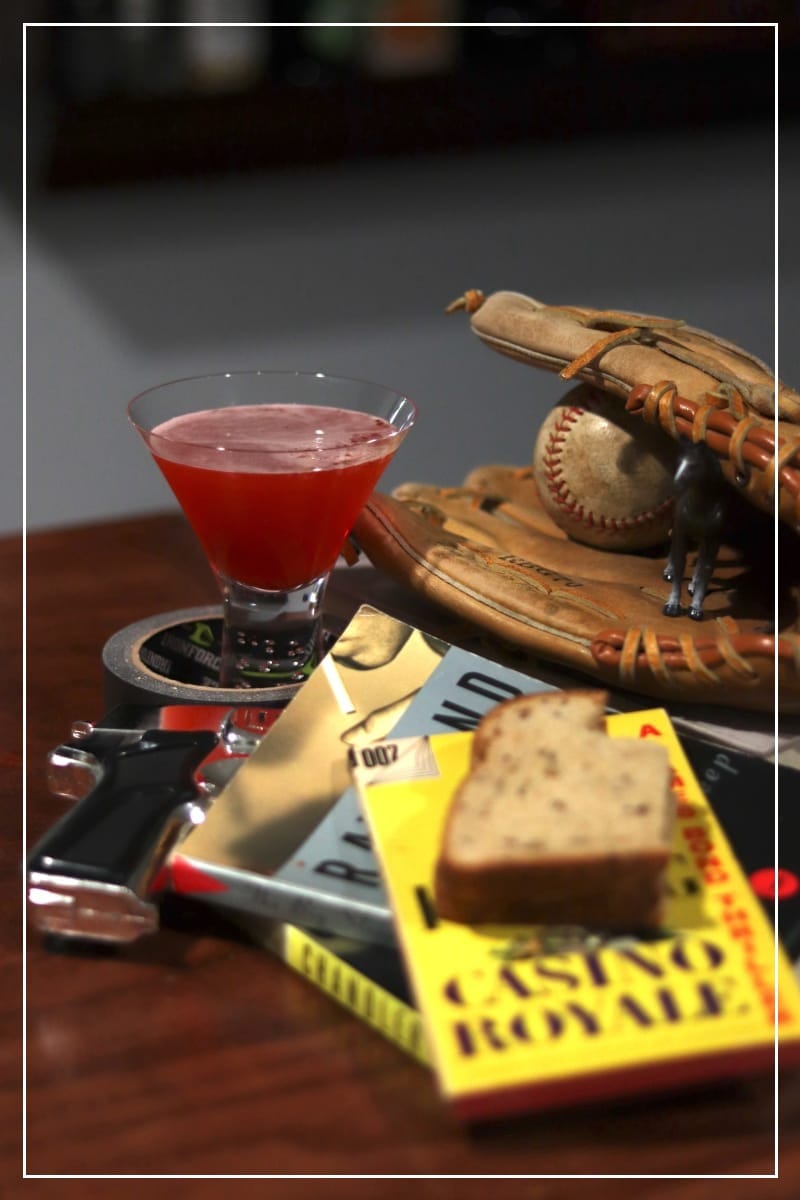
Ingredients
- ¾ ounces bitters
- ¾ ounces ginger liqueur
- ¾ ounces mezcal or tequila
- ¾ ounces pineapple juice