
Podcast | ‘Hello, My Name is Doris’ Episode Recap
In this podcast episode, co-hosts Jonathan C. Legat, Tricia Legat and Michael Noens discuss the 2015 heartfelt comedy ‘Hello, My Name is Doris’ from director Michael Showalter.

The Imbibe Cinema podcast crew, consisting of co-hosts Jonathan C. Legat, Tricia Legat, and Michael Noens, discuss Michael Showalter's film, Hello, My Name is Doris, while sipping on a Staten Island Ferry cocktail (a pina colada on the rocks, named after the ferry featured in the movie). The consensus was that the film was definitely not the comedy they were expecting and a truly heartfelt story.
The hosts praise the film for mixing humorous situations with cringe-worthy humanity moments, offering an experience so much deeper than what you got from the surface level in the film's advertising. Director Michael Showalter (director of The Big Sick) was lauded for injecting immense humanity into the story, avoiding the stereotypical embarrassing comedy reliant on Schadenfreude.
Key discussion points about the film's nuanced characters and subplots:
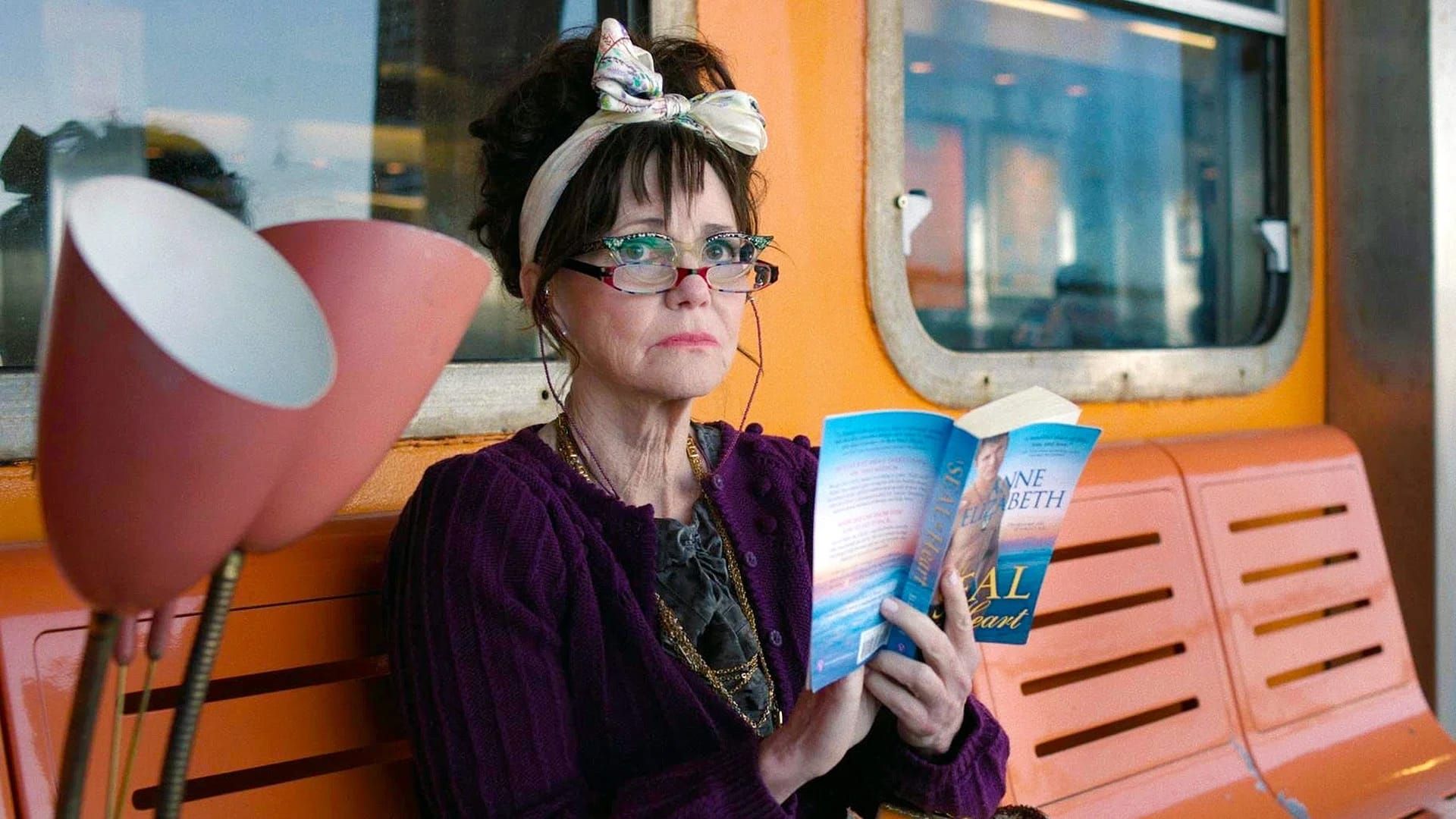
- The Nuanced Protagonist: Sally Field’s portrayal of Doris, an introverted person with a really wild wardrobe, was commended for making even the most absurd actions feel personal, vulnerable, and honest. Tricia noted that the film captures how people who miss out on being young due to responsibilities — such as caring for a family member — can go through that phase out of sequence later in life, proving you are never too old to discover who you are.
- Subplots Handled with Care: The movie introduces sensitive issues like Doris’s hoarding and her use of a fake online persona for social media stalking to know more about her crush. The hosts appreciated that the writers chose not to delve too deeply into these issues or turn them into a caricature, which might have detracted from the core story. Doris's hoarding is presented as symbolism for a larger problem — a call for help after sacrificing her life for her mother out of obligation and guilt.
- Depth in Supporting Roles: The film was celebrated for giving supporting characters, such as Doris's brother (played by Stephen Root) and horrible sister-in-law (played by Wendi McLendon-Covey), depth that is often absent in traditional films. Stephen Root’s character is given a powerful scene toward the end where he expresses genuine fear and guilt that Doris is turning into their mother, preventing him from being a one-dimensional villain.
- The Ambiguous Ending: Jonathan loved the "Inception-esque" ending. Throughout the film, Doris has daydreams that never play out in reality, and the ending leaves the audience questioning whether the final scene, where her love interest appears to chase after her in the elevator, is another fantasy or an actual romantic or practical gesture (like a simple "I forgive you" or "our friendship has merit").
The discussion of Doris’s hoarding and tendency to daydream led to a broader personal discussion among the hosts:
- Clutter and Keepsakes: Michael admitted to keeping years of cards and artwork in shoeboxes, while Jonathan keeps baskets of wires and electronics. Tricia offered a humorous, yet practical, solution for letting go of sentimental clutter: burn it and keep the ashes in a labeled urn.
- Daydreaming in Public: Relating to Doris often being caught in her fantasies, the hosts shared instances where their daydreams got them in trouble. Michael would zone out in high school classes thinking about movie scripts, and Jonathan admitted to getting busted for daydreaming in a meeting.
- Over-Investment and Social Media: Reflecting on Doris’s online behavior, the hosts shared moments of over-investing in others. Michael confessed to feeling overly concerned about a friend making a wrong decision, and Jonathan got highly invested in a friend's bad breakup. Tricia recalled using early Facebook to "stalk" a cute guy. This led to a serious note on the permanence of the internet. The hosts agreed it would be beneficial to bring some accountability back to online behavior, especially for the younger generation.
Episode Beverage Pairing
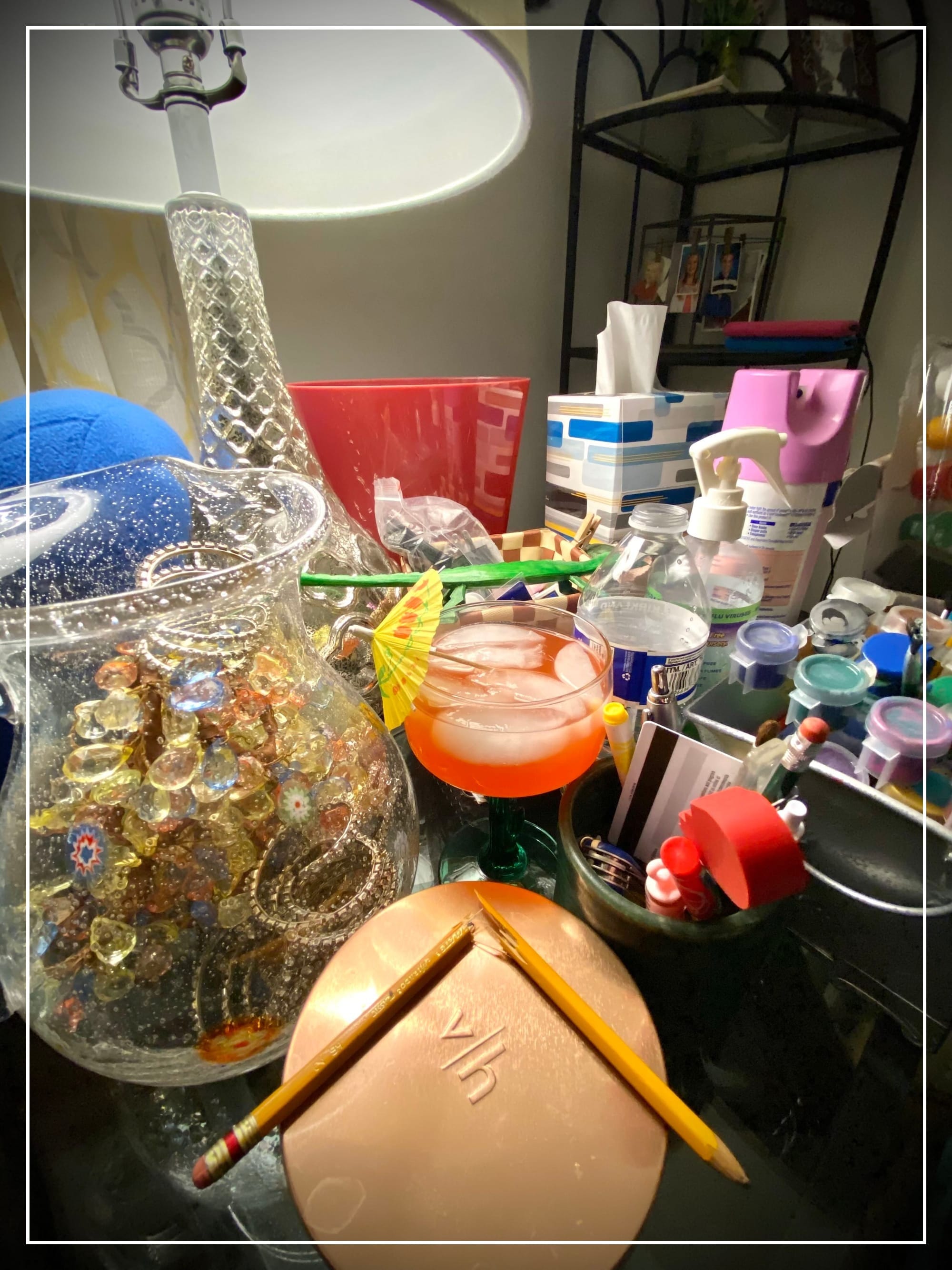
Ingredients
- 2 ounces clear rum
- 6 ounces pineapple juice